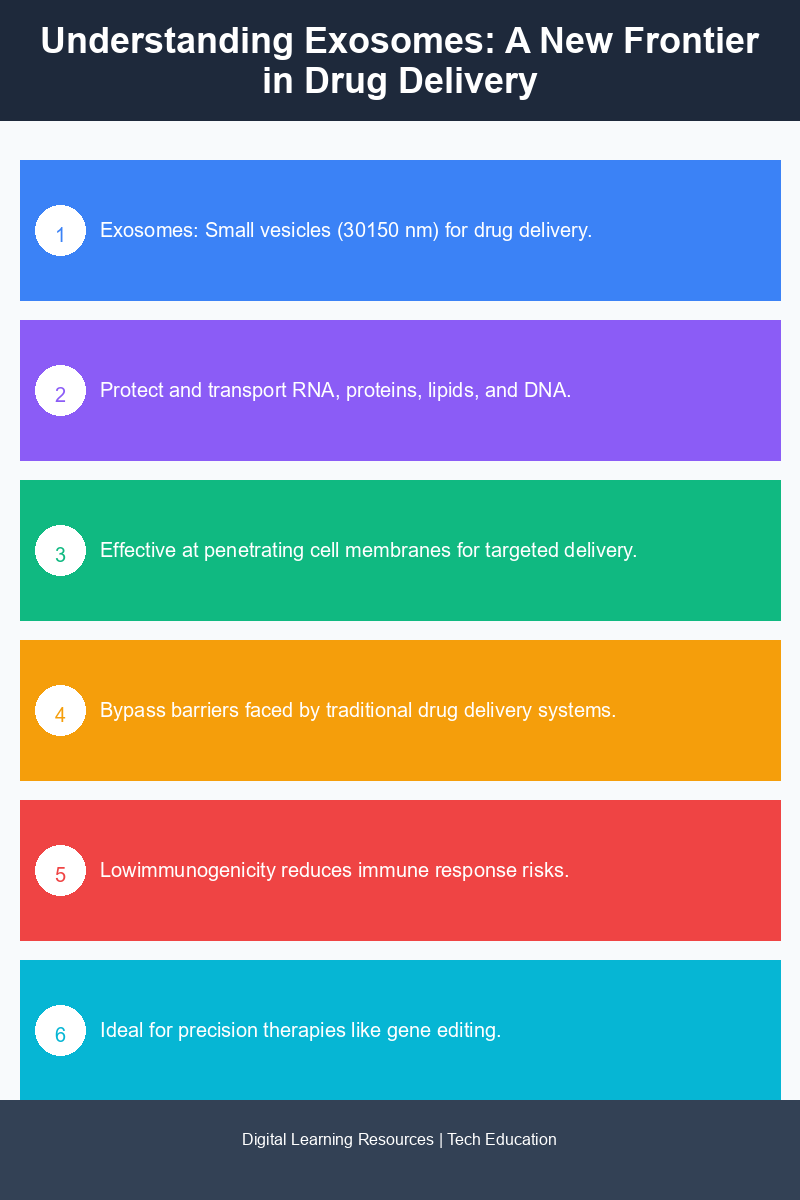
Exosomes are emerging as pivotal players in the field of drug delivery, offering unique advantages over traditional methods. These small extracellular vesicles, typically ranging from 30 to 150 nanometers, are naturally released from various cell types and are integral to cell communication. Their lipid bilayer structure not only protects their contents but also allows them to carry a diverse range of biomolecules, including RNA, proteins, lipids, and even DNA. This capability makes exosomes particularly attractive for therapeutic applications, especially in targeted drug delivery systems.
The Mechanism Behind Exosome Functionality
One of the most significant benefits of exosomes is their ability to penetrate cell membranes effectively. This characteristic allows them to deliver therapeutic cargo directly into target cells, bypassing many of the barriers that conventional drug delivery systems encounter. The lipid bilayer of exosomes protects their contents from degradation in the bloodstream, ensuring that therapeutic agents reach their intended destination intact. This functionality is crucial, especially for therapies requiring precision, such as gene editing, where the integrity of the RNA or DNA is vital for effectiveness.
Exosomes are naturally low-immunogenic, meaning they are less likely to trigger an immune response compared to synthetic delivery methods. This trait is particularly beneficial in clinical applications, reducing potential side effects and improving patient tolerance. The capacity of exosomes to target specific cells further enhances their therapeutic potential. They have been shown to cross biological barriers, including the blood-brain barrier, making them promising candidates for treating neurological disorders.
📚 Recommended Digital Learning Resources
Take your skills to the next level:
Nclex-RN Exam Prep Flashcards | 800 Cards | All 8 Content Areas | Anki Decks Normal & Cloze | 8 PDF Layouts | RN Licensing Exam
Nclex-RN Exam Prep Flashcards | 800 Cards | All 8 Content Areas | Anki Decks Normal & Cloze | 8 PDF Layouts | RN Licensing Exam
LSAT Flashcard Study System | 800 Cards | 8 Categories | Anki Decks Normal Cloze | 8 PDF Layouts Color Print
LSAT Flashcard Study System | 800 Cards | 8 Categories | Anki Decks Normal Cloze | 8 PDF Layouts Color Print
📊 Key Learning Points Infographic
Visual summary of key concepts
GMAT Flashcard Study System | 700 Cards | 8 Categories | Anki Decks Normal Cloze | 8 PDF Layouts Color Print | Offline Interactive HTML
GMAT Flashcard Study System | 700 Cards | 8 Categories | Anki Decks Normal Cloze | 8 PDF Layouts Color Print | Offline Interactive HTML
MCAT Flashcard Study System | 820 Cards | 9 Categories | Anki Decks Normal Cloze | 8 PDF Layouts Color Print | Instant Download
MCAT Flashcard Study System | 820 Cards | 9 Categories | Anki Decks Normal Cloze | 8 PDF Layouts Color Print | Instant Download
PSAT Flashcard Study System | 600 Cards | 9 Categories | Anki Decks Normal Cloze | 8 Pdf Layouts Color Print | PSAT NMSQT Exam Prep
PSAT Flashcard Study System | 600 Cards | 9 Categories | Anki Decks Normal Cloze | 8 Pdf Layouts Color Print | PSAT NMSQT Exam Prep
Exosome-Based Drug Delivery Services
BOC Sciences has positioned itself as a leader in exosome-based drug delivery services. They offer a comprehensive range of services, including exosome extraction, modification, drug loading, and optimization of delivery systems. This holistic approach enables researchers and pharmaceutical companies to harness the full potential of exosomes in their drug development pipelines.
Exosome extraction involves isolating these vesicles from biological fluids, such as blood or urine. Once isolated, researchers can modify exosomes to enhance their targeting capabilities or drug-loading efficiency. The process of drug loading can accommodate various therapeutic agents, including proteins, lipids, and nucleic acids. Optimizing the delivery system ensures that these loaded exosomes can effectively navigate the body’s complex biological environment to deliver their cargo precisely where needed.
Therapeutic Applications of Exosomes
The therapeutic applications of exosomes are vast and varied. They can carry a range of therapeutic cargo, including RNA molecules for gene therapy, proteins for targeted treatment, and even lipids for regenerative medicine. For instance, exosomes are being actively studied for their roles in cancer therapy, where they can deliver chemotherapeutic agents directly to tumor cells, thereby minimizing damage to healthy tissue.
Gene editing technologies, such as CRISPR/Cas9, also benefit from exosome delivery systems. By packaging gene-editing tools within exosomes, researchers can enhance the efficiency and accuracy of gene modification in targeted cells. This application holds promise for treating genetic disorders, as well as in regenerative medicine approaches that require precise cellular changes.
Moreover, exosomes are increasingly recognized for their potential in treating neurodegenerative diseases. Their ability to cross the blood-brain barrier opens new avenues for delivering therapies for conditions such as Alzheimer’s and Parkinson’s disease, where traditional drug delivery methods often fail.
MyFlashDecks.com
Need Custom Flashcards for Any Exam or Topic?
Get a complete flashcard study system tailored to your exact topic — 800+ cards, an interactive HTML app, 8 PDF layouts, and 2 Anki decks, all delivered to your email within 24 hours.
Conclusion
Exosomes represent a significant advancement in drug delivery technology, with their unique properties offering several advantages over conventional methods. Their ability to carry diverse biomolecules, combined with their low-immunogenic nature and capability to penetrate biological barriers, makes them ideal candidates for targeted therapies. As research and development in this area continue to grow, exosome-based drug delivery systems are poised to transform treatment approaches across a wide range of medical fields.
Disclaimer: Information gathered from reputed public sources. Verify independently for specific implementations.
Ready to advance your skills? Explore our digital learning resources.
📑 About the author: I also build Digital Bizz Card — hosted digital business cards you can share with a QR code, no app required.