
Key Takeaways:
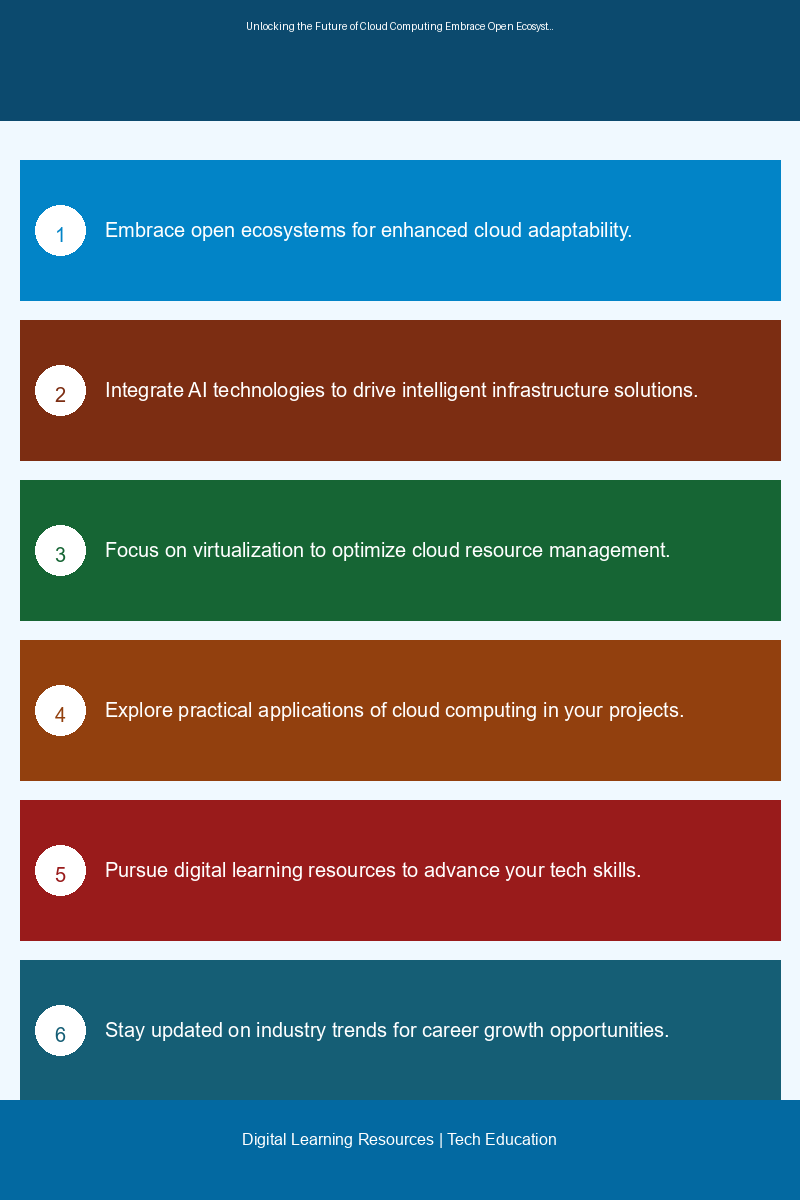
In the evolving landscape of cloud computing, understanding open ecosystems, AI integration, and virtualization is essential. This post explores practical applications, learning opportunities, and the industry’s shift towards these technologies, guiding you through a comprehensive path for skill development and career advancement.
Introduction
The cloud computing paradigm is undergoing a significant transformation as organizations seek to leverage flexible, scalable, and intelligent infrastructure solutions. Embracing an open ecosystem strategy combined with AI technologies is becoming a critical focus for IT professionals and developers alike. In this blog post, we will delve into the technical concepts and methods associated with cloud infrastructure, explore practical applications, and recommend learning paths that align with industry trends and career development.
Technical Background and Context
At the heart of modern cloud infrastructure is the integration of various technologies that work cohesively to deliver robust services. The following technical concepts form the backbone of this ecosystem:
📚 Recommended Digital Learning Resources
Take your skills to the next level with these curated digital products:
Academic Calculators Bundle: GPA, Scientific, Fraction & More
Academic Calculators Bundle: GPA, Scientific, Fraction & More
ACT Test (American College Testing) Prep Flashcards Bundle: Vocabulary, Math, Grammar, and Science
Java Essentials: 100 Powerful Topics for Fast-Track Learning | PDF Download
Leonardo.Ai API Mastery: Python Automation Guide (PDF + Code + HTML
Leonardo.Ai API Mastery: Python Automation Guide (PDF + Code + HTML
100 Python Projects eBook: Learn Coding (PDF Download)
JavaScript for Web Development eBook | Learn to Build Interactive Websites
HSPT Vocabulary Flashcards: 1300+ Printable Study Cards + ANKI (PDF)
HSPT Vocabulary Flashcards: 1300+ Printable Study Cards + ANKI (PDF)
- Open Ecosystem Strategy: This approach fosters interoperability among cloud services and enables organizations to avoid vendor lock-in. By utilizing open standards and APIs, companies can build a flexible cloud strategy that adapts to their evolving needs.
- VMware Cloud Foundation: A comprehensive platform that combines virtualization and cloud management, VMware Cloud Foundation serves as a foundation for deploying and managing cloud services efficiently. Integration with AI technologies can enhance automation, resource management, and predictive analytics.
- Virtualization and Containerization: These techniques allow organizations to run multiple applications on a single physical server, optimizing resource use and deployment speed. Containerization further enhances this by packaging applications with their dependencies, ensuring consistency across environments.
Practical Applications and Use Cases
The integration of open ecosystems, AI, and virtualization can lead to transformative outcomes for businesses:
- Enhanced Resource Management: Using AI tools within VMware Cloud Foundation enables predictive resource allocation, reducing downtime and optimizing performance.
- Seamless Application Deployment: Containerization allows for rapid deployment of applications across different environments, making it easier for teams to collaborate and innovate.
- Interoperable Solutions: By adopting open ecosystem strategies, companies can integrate various cloud services, offering customers a more cohesive experience and greater flexibility in choosing solutions that fit their needs.
Learning Path Recommendations
To navigate the complexities of modern cloud infrastructure and AI integration, consider the following educational opportunities:
- Courses on Cloud Computing: Enroll in courses that cover cloud architecture, management, and virtualization technologies. Platforms like Coursera and Udacity offer comprehensive programs.
- AI Integration Training: Participate in training focused on AI applications within cloud services. Consider programs that include hands-on labs using popular AI frameworks like TensorFlow and PyTorch.
- Workshops on Open Ecosystem Development: Join workshops that emphasize the development and management of open ecosystems, where you can learn from industry leaders and collaborate with peers.
Industry Impact and Career Implications
The shift towards AI-driven cloud solutions and open ecosystems is reshaping the tech landscape:
- Increased Demand for Skills: As organizations adopt these technologies, there is a growing need for professionals skilled in cloud architecture, AI, and open-source technologies.
- Collaboration Across Organizations: Tech companies are increasingly collaborating to enhance cloud capabilities, creating opportunities for professionals to work on diverse projects and expand their network.
- Career Advancement: Gaining certifications in VMware technologies and AI applications can significantly enhance your job prospects, positioning you as a valuable asset in the job market.
Implementation Tips and Best Practices
To effectively implement an open ecosystem strategy and leverage AI technologies in your cloud initiatives, consider the following best practices:
- Assess Your Current Infrastructure: Evaluate your existing cloud setup to identify areas where open ecosystems and AI can provide value.
- Adopt a Phased Approach: Implement changes incrementally to minimize disruption. Start with pilot projects that leverage AI for specific functions like resource management.
- Stay Abreast of Industry Trends: Regularly update your knowledge about emerging technologies and methodologies to remain competitive.
Future Trends and Skill Requirements
The future of cloud computing will likely see:
- Greater AI Integration: Expect AI to become more embedded in cloud services for predictive analytics, automated scaling, and enhanced security.
- Expansion of Open Ecosystems: As more organizations prioritize interoperability, skills in open-source technologies and API management will be increasingly valuable.
- Focus on Security: With the rise of cloud solutions, security will be paramount. Professionals will need to develop skills in cloud security practices and compliance requirements.
Conclusion with Actionable Next Steps
As cloud computing continues to evolve, seizing the opportunity to learn and adapt is crucial. Here are actionable next steps to enhance your career:
- Identify relevant learning resources: Explore our digital products for programming guides, certification materials, and tech resources tailored to cloud computing and AI integration.
- Engage with the community: Join forums and participate in meetups to connect with other professionals and share knowledge about the latest trends.
- Set learning goals: Create a roadmap for acquiring new skills and certifications that align with the industry’s future demands.
Stay proactive, embrace change, and invest in your professional growth to excel in the dynamic world of cloud computing.
Disclaimer: The information in this article has been gathered from various reputed sources in the public domain. While we strive for accuracy, readers are advised to verify information independently and consult with professionals for specific technical implementations.
Ready to advance your tech career? Explore our digital learning resources including programming guides, certification prep materials, and productivity tools designed by industry experts.