
In an era where digital content continuously evolves, understanding synthetic content and the technologies that enable its creation is paramount for developers, IT professionals, and tech learners. This blog post delves into the intricacies of synthetic content, industry trends, and the skills required to thrive in this dynamic landscape. By the end, you’ll have clear insights into practical applications, educational opportunities, and future trends that can bolster your career path in tech.
Key Takeaways
- Definition and implications of synthetic content and deep synthesis technology.
- Educational pathways to enhance your understanding of AI and digital media.
- Industry trends, including regulation and compliance regarding AI-generated content.
- Best practices for leveraging deep learning frameworks and VR tools.
- Actionable steps to build skills and advance your career in tech.
Technical Background and Context
Synthetic content refers to information that is artificially or algorithmically created or modified using computer resources. This can encompass everything from text generated by AI to images and videos altered through advanced technologies. Deep synthesis technology plays a crucial role in this realm, utilizing tools like deep learning and virtual reality (VR) to create or modify digital information in innovative ways.
AI-based algorithms are pivotal in generating or transforming various types of media, including text, images, audio, video, and virtual scenes. As these technologies advance, they not only enhance the capabilities of digital content creation but also raise important questions regarding legality, ethics, and the potential for misinformation.
📚 Recommended Digital Learning Resources
Take your skills to the next level with these curated digital products:
Academic Calculators Bundle: GPA, Scientific, Fraction & More
Academic Calculators Bundle: GPA, Scientific, Fraction & More
ACT Test (American College Testing) Prep Flashcards Bundle: Vocabulary, Math, Grammar, and Science
ACT Test (American College Testing) Prep Flashcards Bundle: Vocabulary, Math, Grammar, and Science
📊 Key Learning Points Infographic
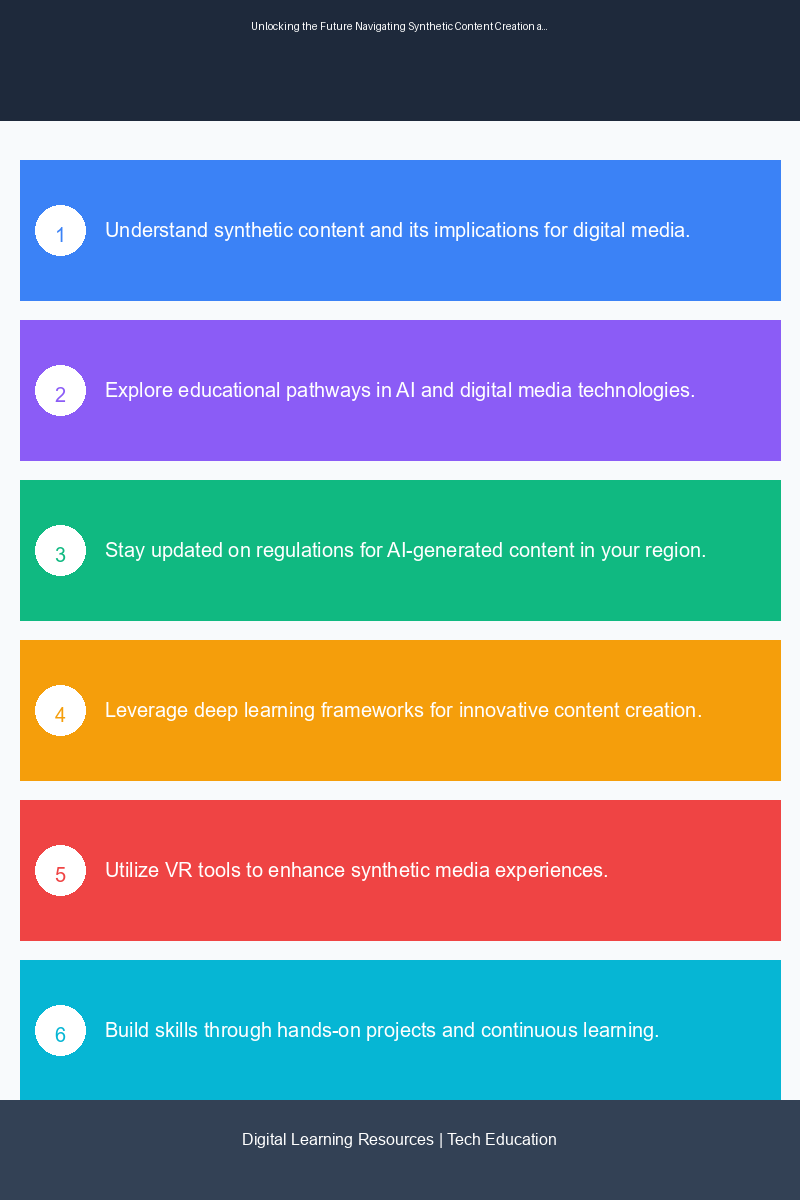
Visual summary of key concepts and actionable insights
Leonardo.Ai API Mastery: Python Automation Guide (PDF + Code + HTML
Leonardo.Ai API Mastery: Python Automation Guide (PDF + Code + HTML
100 Python Projects eBook: Learn Coding (PDF Download)
100 Python Projects eBook: Learn Coding (PDF Download)
HSPT Vocabulary Flashcards: 1300+ Printable Study Cards + ANKI (PDF)
HSPT Vocabulary Flashcards: 1300+ Printable Study Cards + ANKI (PDF)
Practical Applications and Use Cases
The applications of synthetic content are vast and varied, impacting industries from entertainment to education. Here are a few notable use cases:
- Content Creation: Automated generation of articles, blogs, and reports to streamline content production.
- Virtual Reality Experiences: Development of immersive environments for gaming, training, and educational purposes.
- Deepfake Technology: Creating realistic simulations for movies or training scenarios, while also raising ethical considerations.
- Marketing and Advertising: Tailoring personalized ads based on synthesized consumer data for targeted outreach.
Learning Path Recommendations
As the landscape of synthetic content continues to evolve, it is crucial to develop a solid educational foundation. Here are recommended learning paths:
- AI and Machine Learning: Explore deep learning frameworks like TensorFlow and PyTorch to understand the backbone of AI algorithms.
- Virtual Reality Development: Learn to use platforms such as Unity or Unreal Engine to create engaging VR experiences.
- Legal and Ethical Frameworks: Study the regulations surrounding AI-generated content, focusing on compliance and digital ethics.
- Data Management Skills: Gain expertise in data logging and managing compliance with legal standards for digital content.
Industry Impact and Career Implications
The rapid advancement of synthetic content technologies is reshaping industries and creating new career opportunities. Understanding the legal frameworks surrounding AI-generated content and deepfakes is becoming increasingly important. Countries like India and China are spearheading regulatory measures to ensure compliance and transparency in AI use.
For tech professionals, building skills in AI-based technologies and digital content creation is essential not just for career advancement, but also for contributing positively to industry standards. As regulations tighten, professionals who are well-versed in legal compliance and ethical considerations will have a competitive edge in the job market.
Implementation Tips and Best Practices
Here are actionable tips to help you effectively leverage synthetic content technologies:
- Stay Informed: Regularly update your knowledge about industry regulations and standards regarding AI-generated content.
- Adopt Transparency: Utilize platforms that permit self-labeling of AI-generated content to enhance trust and credibility.
- Engage in Continuous Learning: Participate in workshops, webinars, and online courses focused on deep learning, VR, and AI ethics.
- Network with Professionals: Join tech forums and communities to exchange knowledge and insights on synthetic content creation.
Future Trends and Skill Requirements
Looking ahead, several trends are likely to shape the future of synthetic content:
- Increased regulation of AI-generated content, emphasizing the need for compliant practices.
- Growing demand for skills in AI and VR technologies, as industries adopt these tools for content creation.
- Enhanced focus on ethical considerations and the importance of clear labeling and watermarking of AI-generated media.
- Emerging platforms and tools that facilitate user-generated content labeling for better transparency.
Tech professionals will need to adapt by acquiring skills in AI technologies, data management, and legal compliance. Those who proactively engage with these trends will be better positioned for success in their careers.
Conclusion with Actionable Next Steps
The world of synthetic content and AI is rapidly changing, presenting both challenges and opportunities for tech professionals. To stay ahead, consider taking these actionable steps:
- Enroll in courses focusing on AI, machine learning, and virtual reality.
- Familiarize yourself with the legal aspects of AI-generated content and digital ethics.
- Experiment with tools and frameworks for creating synthetic content to enhance your practical skills.
- Engage with peers in the industry to share knowledge and best practices.
As you navigate this exciting field, remember that continuous learning and adaptability are key to leveraging the power of synthetic content in your career. Embrace the journey, and let innovation lead your path forward in the tech world.
Disclaimer: The information in this article has been gathered from various reputed sources in the public domain. While we strive for accuracy, readers are advised to verify information independently and consult with professionals for specific technical implementations.
Ready to advance your tech career? Explore our digital learning resources including programming guides, certification prep materials, and productivity tools designed by industry experts.